
BIS Certified

Certified to IS:2553 Part 1 under licence CM/L9100259916 — our glass meets national safety standards.

Expert Craftsmanship

Skilled craftsmen and state-of-the-art machinery deliver precision and perfection in every sheet.

24/7 Support

Our dedicated support team is always available to assist you, 24 hours a day, 7 days a week.
Talk to us?

Maruti Secure Tuff toughened glass manufacturing facility

Welcome to Maruti Secure Tuff

10 Years Experience

In a world where innovation meets necessity, our journey began ten years ago in the heart of an industrial hub, driven by a singular vision: to revolutionize the glass industry. With this ambition at our core, we embarked on a path of crafting high-quality toughened glass, earning our place as a leader in an ever-evolving market.

From the outset, our commitment to excellence was clear. We invested in cutting-edge technology, meticulously honing our production processes to ensure precision and durability. Our state-of-the-art manufacturing facility became a crucible of innovation, where skilled artisans and advanced machinery collaborated seamlessly to create products that withstand the test of time and challenge.

Learn More
Premium Quality

Our products are made from the finest raw materials and tested for durability and safety.

Advanced Technology

We use state-of-the-art machinery and modern processes for precision and perfection.

Safety Assured

All our glass products comply with national and international quality standards.

Customer Focused

We provide customized solutions and dedicated support to meet every customer need.

BIS Certified · IS:2553 Part 1 · Licence CM/L9100259916 · Built Tough. Built To Last.

IS:2553 Certified Manufacturing

Our Products

Toughened glass panels stacked after heat treatment

Toughened Glass is heat-treated to increase its strength up to 4-5 times more than ordinary glass. It is highly durable, impact resistant and safe as it breaks into small, blunt pieces.

Applications: Doors, Windows, Partitions, Shower Enclosures, Facades, Railings.

Toughened Glass

+
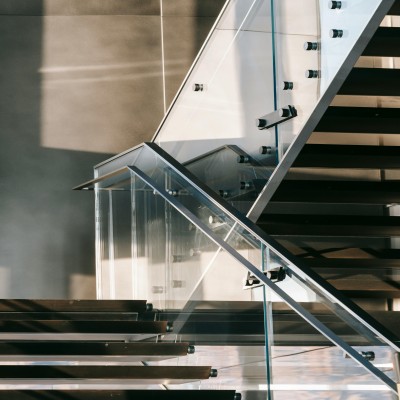
Laminated safety glass with PVB interlayer

Laminated Glass consists of two or more glass panes bonded together with a strong PVB interlayer. It holds together when shattered, providing safety, sound insulation and UV protection.

Applications: Safety Glazing, Skylights, Railings, Banks, Schools, Automotive.

Laminated Glass

+
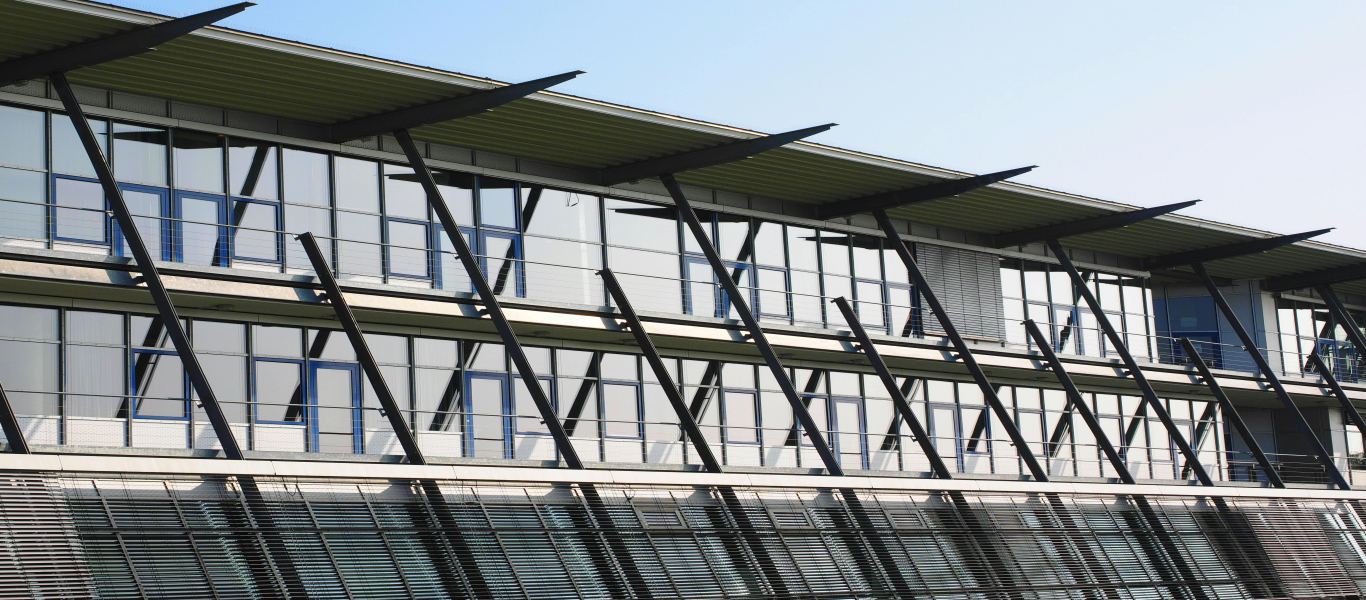
Insulated glass unit with sealed air gap

Insulated Glass (IGU) consists of two or more glass panes separated by a spacer and sealed air gap. It provides excellent thermal insulation, reduces noise and improves energy efficiency.

Applications: Commercial Buildings, Curtain Walls, Windows, Cold Storage, AC Buildings.

Insulated Glass (IGU)

+
Decorative fabric glass with interwoven glass fibers

Fabric Glass is a decorative architectural material made by interweaving glass fibers. It offers strength, dimensional stability and an elegant look for various applications.

Applications: Wall Cladding, Ceiling Panels, Partitions, Furniture, Decorative Interiors.

Fabric Glass

+
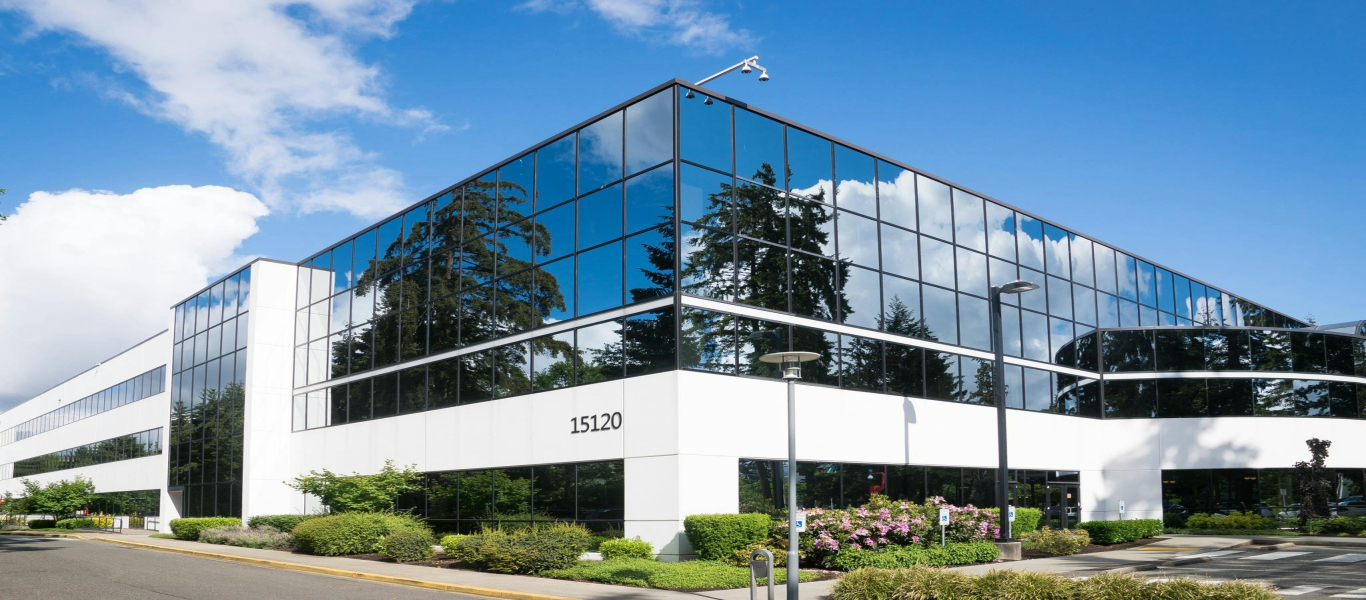
Reflective coated glass on a commercial building facade

Reflective Glass has a special metallic coating that reflects sunlight and reduces heat gain. It enhances privacy, saves energy and adds a modern look to buildings.

Applications: Commercial Buildings, Facades, Windows, Showrooms.

Reflective Glass

+
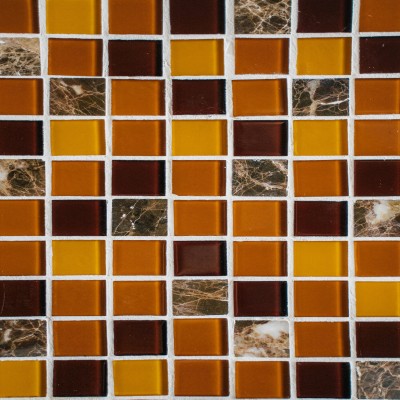
Patterned decorative glass feature wall

Decorative Glass combines functionality with aesthetics. Available in a variety of patterns, textures and colors, it enhances the beauty of any space.

Applications: Doors, Partitions, Interior Design, Furniture, Feature Walls.

Decorative Glass

+

See It For Yourself

Our Glass In Action

Frequently Asked Question

You May Ask

Toughened glass, also known as tempered glass, is a type of safety glass that is processed by controlled thermal or chemical treatments to increase its strength compared to normal glass. When broken, it shatters into small granular chunks instead of jagged shards, reducing the risk of injury.
Toughened glass is made by heating regular glass to over 600 degrees Celsius and then rapidly cooling it. This process, known as tempering, compresses the outer surfaces and tensions the interior, which increases its strength and thermal resistance.
The benefits of using toughened glass include enhanced safety due to its shatter-resistant properties, increased strength, improved thermal resistance, and versatility in design. It is widely used in environments where safety and durability are paramount, such as in buildings, vehicles, and appliances.
Toughened glass is commonly used in a variety of applications, including architectural glazing, shower doors, glass doors and tables, vehicle windows, and as a component in mobile devices and other electronics. Its strength and safety features make it ideal for both residential and commercial settings.
No, once glass has been toughened, it cannot be cut or altered. Any attempts to do so will cause the glass to shatter. Therefore, all cutting, drilling, and shaping must occur before the tempering process.
Toughened glass is available in a variety of sizes and thicknesses, typically ranging from 4mm to 19mm thick. Custom sizes are often available to meet specific project requirements. It is important to consult with manufacturers to determine the best options for your needs.
Both toughened and laminated glass offer safety features, but they serve different purposes. Toughened glass is stronger and shatters into small, less harmful pieces, while laminated glass holds together when shattered due to an interlayer. Laminated glass is often used in applications requiring sound insulation and UV protection.
Yes, toughened glass can contribute to energy efficiency, especially when used in double or triple glazing units. It can help reduce heat loss, minimize solar gain, and improve insulation, leading to lower energy costs for heating and cooling.
To ensure the quality of toughened glass, purchase from reputable manufacturers who comply with industry standards and certifications, such as ISO 9001 or EN 12150. Additionally, look for a quality control mark on the glass and request performance test results if available.
Toughened glass requires minimal maintenance. Regular cleaning with a glass cleaner and soft cloth will keep it looking its best. Avoid using abrasive cleaners or tools that could scratch the surface. Inspect the glass periodically for any signs of damage or wear.